
Living off the grid in New Zealand offers incredible freedom, but it also requires you to be self-sufficient when it comes to your home’s essential systems. Whether you are parked up in a tiny home in the Coromandel or managing a remote cabin in the frosty South Island, a reliable hot water system is non-negotiable.
For most off-grid Kiwis, a gas continuous flow water heater, commonly known as a califont, is the ultimate kiwi off-grid solution. However, to keep that hot water flowing efficiently, regular upkeep is essential. Here is your definitive guide on how to maintain your califont, optimized for Kiwi conditions.
When you live remotely, you can’t simply call a local plumber and expect them to arrive in ten minutes. Preventative maintenance is the secret to avoiding cold showers. Because off-grid setups often rely on rainwater or bore water, and utilize LPG bottled gas, your system is subjected to different pressures and debris than a standard city connection. Regularly servicing the best offgrid califonts nz has to offer ensures longevity, maximum gas efficiency, and, most importantly, safety.
Off-grid water supplies (like roof-collected rainwater) can carry sediment, leaves, and grit. Your califont has a small mesh filter at the cold water inlet.
Safety always comes first with LPG. Over time, vibrations and temperature fluctuations can loosen fittings.
New Zealand winters can be brutal on outdoor appliances. Water left inside the califont’s heat exchanger can freeze, expand, and burst the internal pipes.
Gas califonts require adequate airflow to burn efficiently and safely.
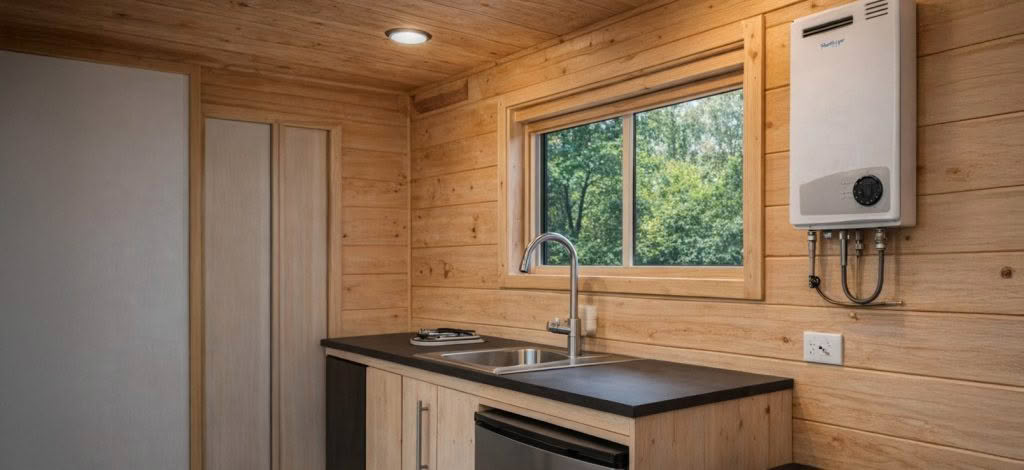
When outfitting a remote property, choosing the right brand is just as important as maintaining it. One of our preferred suppliers is Challenger Appliances, who have become a staple in the New Zealand off-grid, marine, and RV communities. Engineered specifically for low-pressure water systems (gravity-fed or low-voltage pump setups), Challenger califonts are built robustly for Kiwi conditions. Maintaining a Challenger unit is famously straightforward, with easily accessible filters and durable brass fittings that stand the test of time in harsh rural environments.
How often should I service my off-grid califont?
You should perform a basic inspection and filter clean every 3 to 6 months. A professional gasfitting service is recommended every two years to check gas pressures and internal components.
Do califonts need electricity to work?
Most standard off-grid califonts do not require mains electricity. Brands like Challenger appliances use a battery-powered D-cell ignition system to spark the flame when water flows, making them entirely independent of the power grid.
Why is my califont water not getting hot enough?
This is usually caused by low gas pressure, a blocked water inlet filter, or a dying ignition battery. Check your LPG bottle levels, clean the water filter, and replace the batteries to see if performance improves.
Contact Us for for further information or shop now to choose your own Califont.