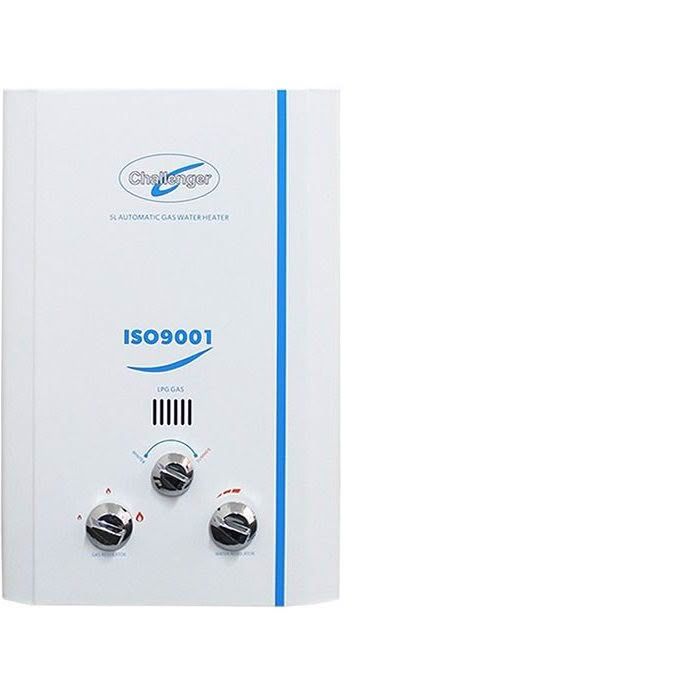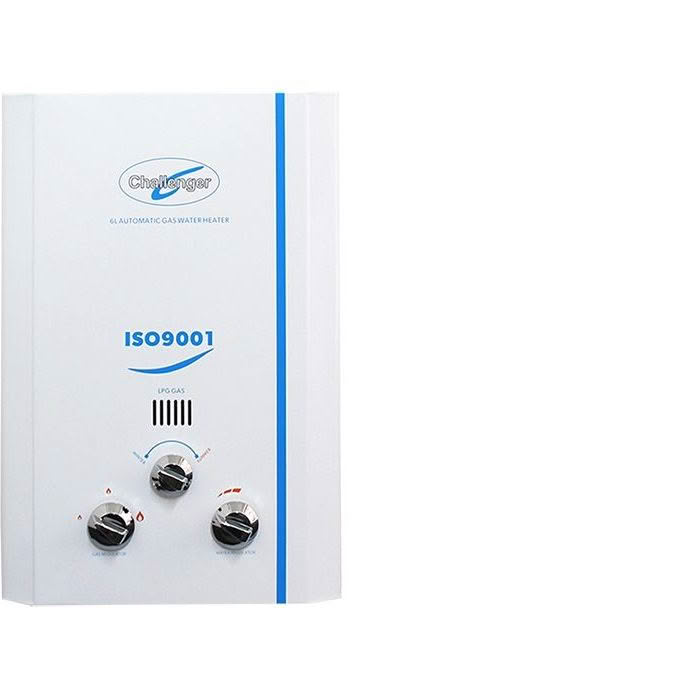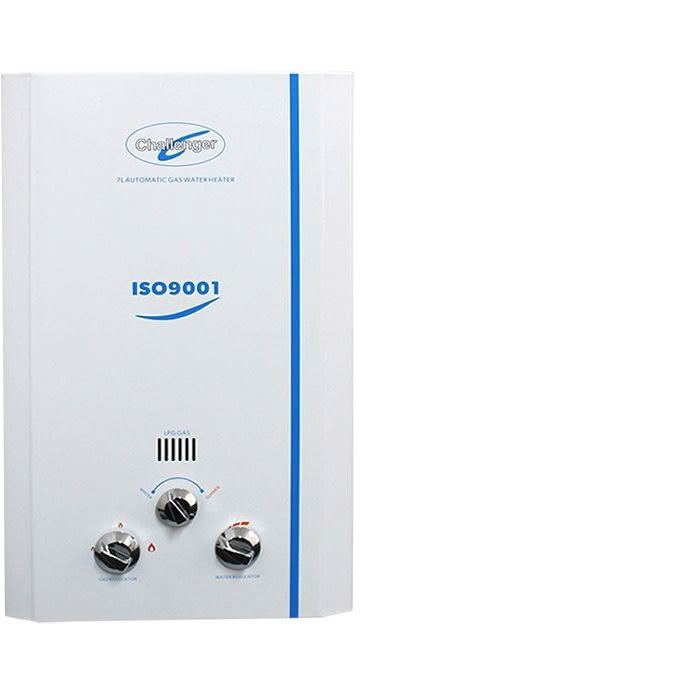

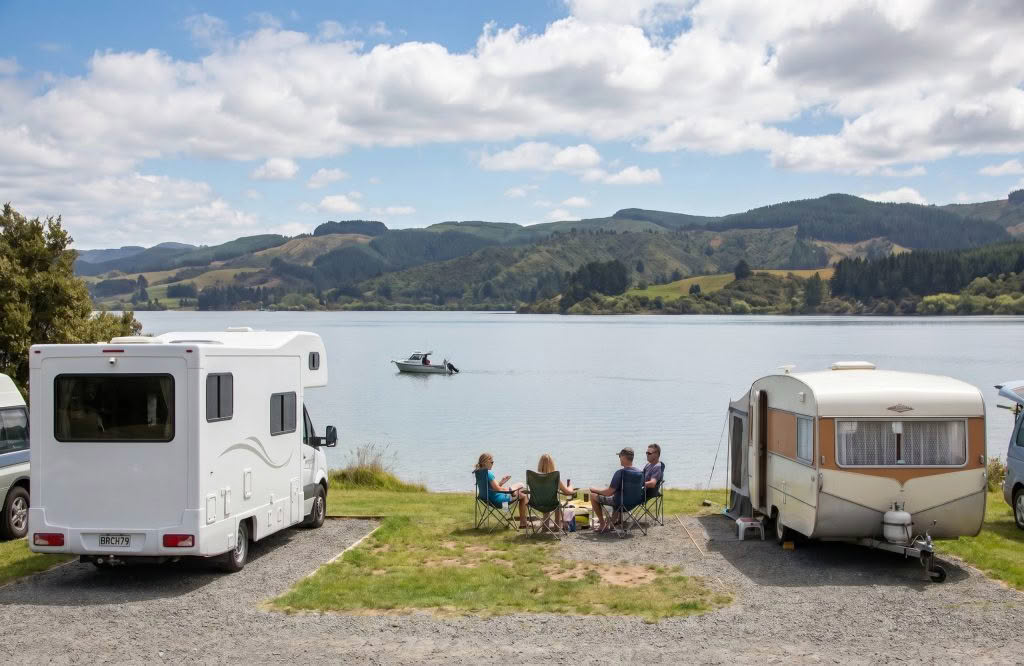
Your gas califont clicks, sputters, and refuses to ignite. You’re parked up at a Coromandel campsite, it’s 7am, and the shower is ice cold. Sound familiar? For Kiwis living the off-grid life in a campervan, caravan, motorhome, or boat, an LPG califont is the gold standard for continuous instant hot water, but getting one to perform reliably takes more than just hooking it up and turning the tap.
Here are five things worth knowing before your next freedom camping adventure.
Tip 1 – Gas califont safety: why every NZ install needs an FFSD
In New Zealand, safety isn’t just a suggestion. It’s the law. When choosing a gas califont for a mobile environment like a campervan, caravan, or boat, ensure it is fitted with a Flame Failure Safety Device (FFSD). This automatically shuts off the gas supply if the flame is blown out by a gust of wind or a draught, preventing dangerous gas buildup in your cabin. All Challenger califonts are fitted with this technology, making them fully compliant with NZ safety standards for off-grid use.
Tip 2 – Why your LPG califont won’t ignite (and how to fix it)
Most LPG califonts require a specific minimum water flow rate to trigger the gas burner. If you’re running a gravity-fed system or a weak pump, you’ll likely get that maddening click-on, click-off cycle rather than consistent continuous flow hot water — a frustrating problem for anyone freedom camping off the grid.
A reliable 12V or 240V pressure pump that delivers at least 10–12 litres per minute will fix this. It’s worth spending a bit more here, as a good pump is the invisible backbone of a working instant hot water system.
Tip 3 – Gas califont installation: always use a certified NZ gasfitter
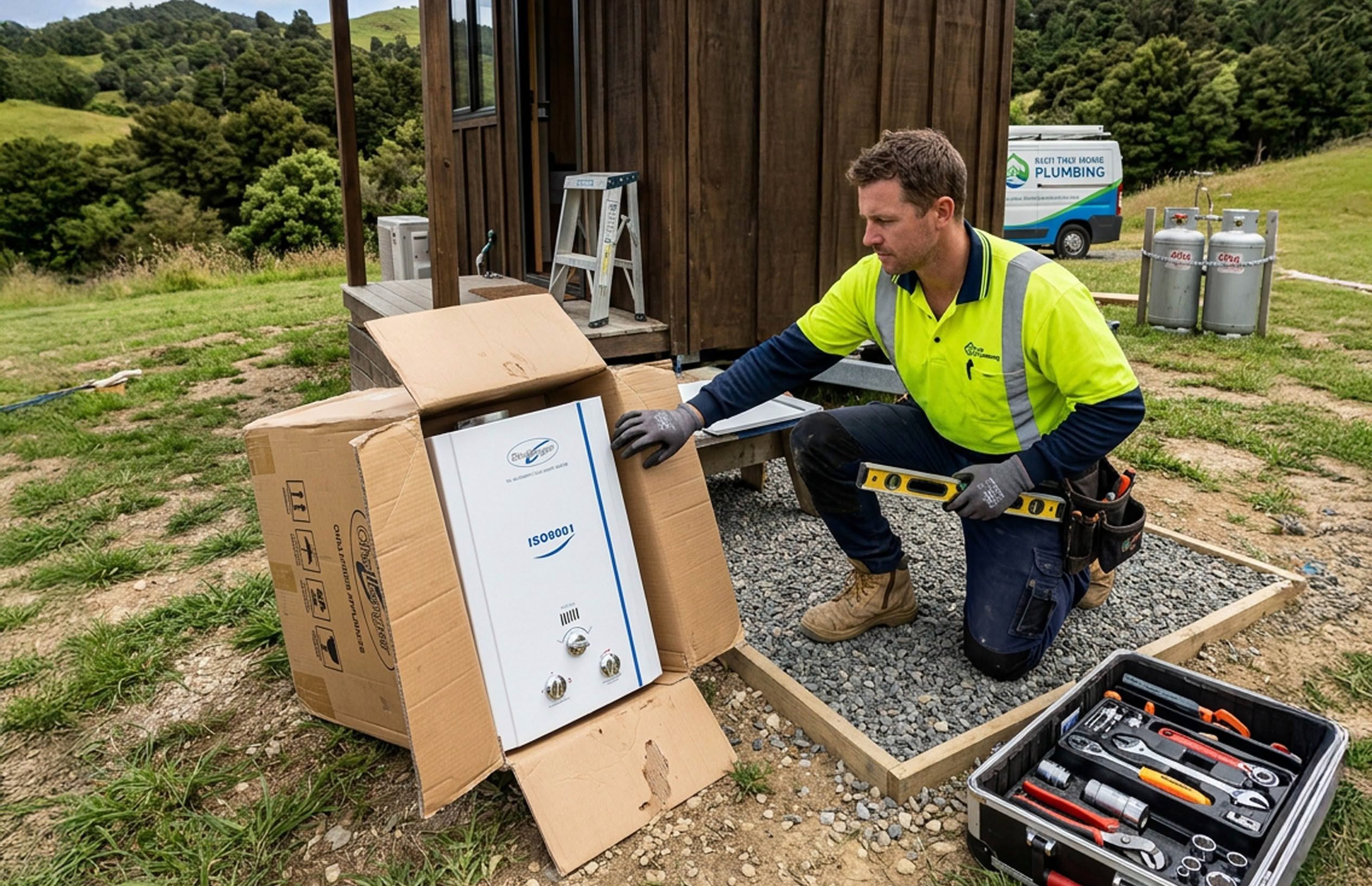
It can be tempting to DIY your installation, but in New Zealand, any permanent gas installation must be signed off by a certified gasfitter. This ensures your flueing and ventilation are correct, preventing carbon monoxide risks, and is essential for your insurance. If something goes wrong without a gasfitting certificate, your insurer may decline the claim. Do it once, do it right.
Tip 4 – How to winter-proof your instant hot water califont in NZ
NZ winters can be brutal, especially in Central Otago or the Ruapehu district. Water sitting inside a gas califont’s copper heat exchanger during a hard frost can freeze, expand, and crack the pipes. It’s an expensive fix for a completely avoidable problem.
Pro tip: Before leaving your campervan, boat, or bach unused over winter, drain the water from the califont using the small drain valve at the bottom. It’s a two-minute job in autumn that can save you hundreds of dollars come springtime.
Tip 5 – Choosing the right califont for your campervan, caravan or boat
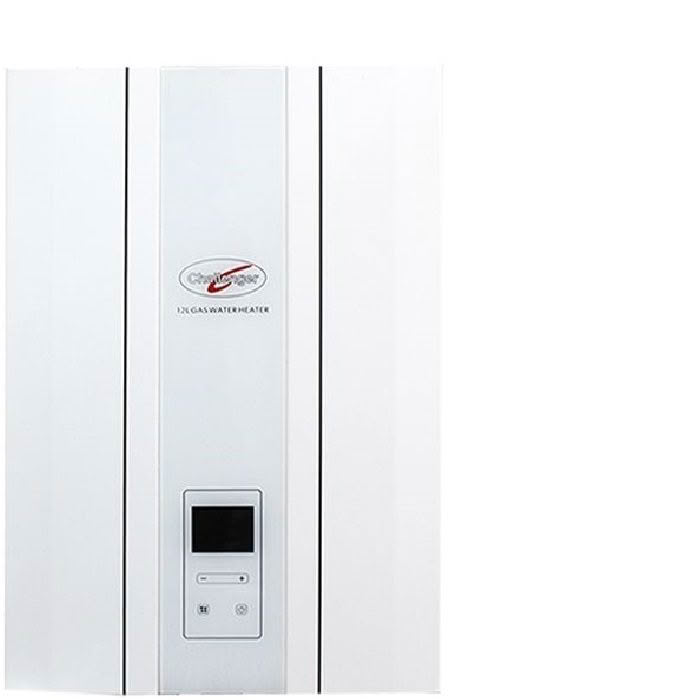
Ventilation is the biggest factor when deciding between an indoor and outdoor califont. Outdoor units are great for baches, tiny homes, or the back of a horse truck, since they vent directly into open air. Indoor units, which are essential for most boats, caravans, and campervans, must be flued to the outside to safely remove exhaust gases.
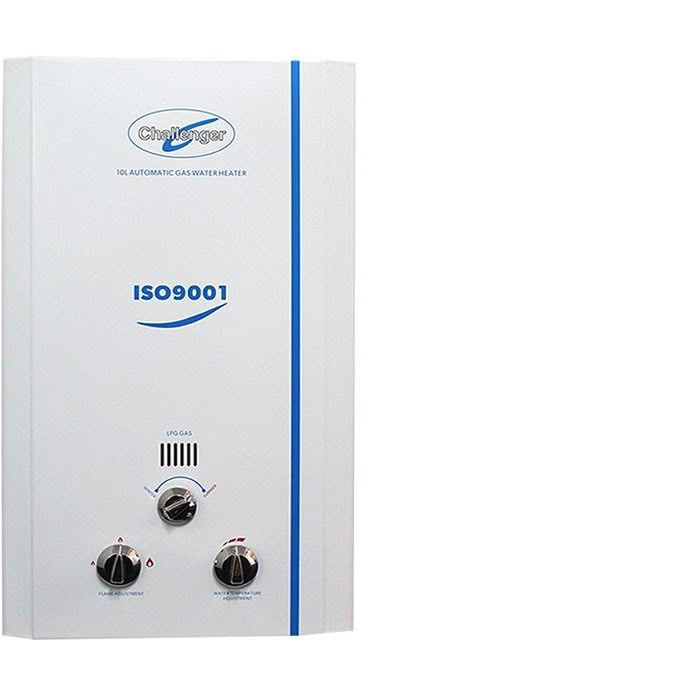
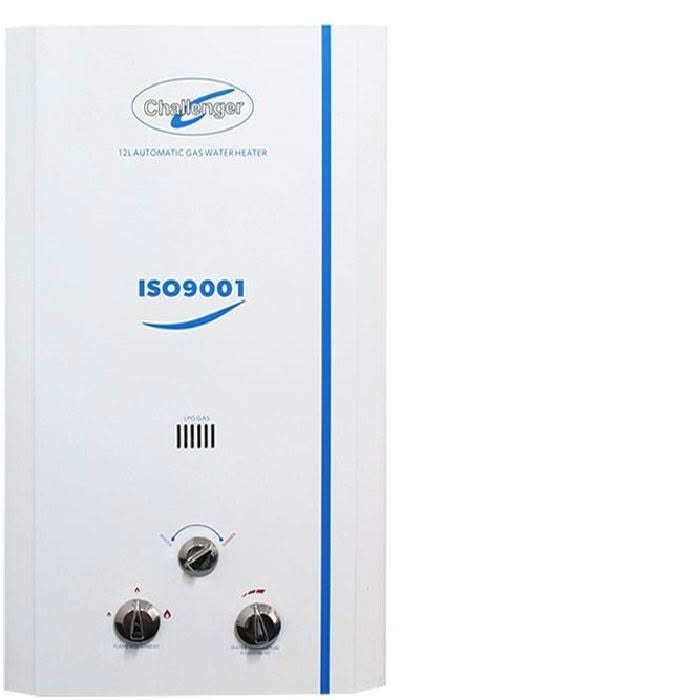
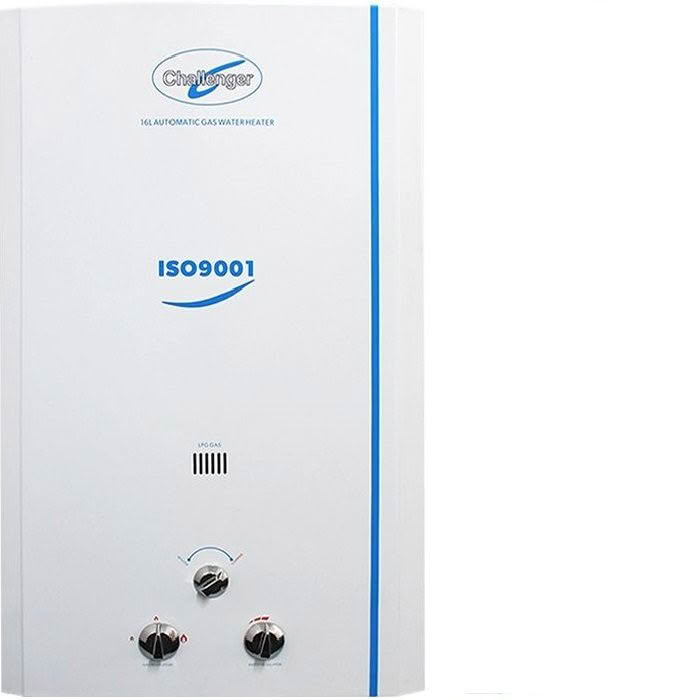
Beyond ventilation, match the litre-per-minute rating to your actual usage. A 6L or 10L gas califont handles a single sink or shower perfectly well, while a 16L continuous flow unit suits a larger motorhome or tiny home with multiple taps running at once.
Get those basics right and an LPG califont is genuinely one of the best off-grid investments you can make: compact, efficient, and capable of delivering instant hot water wherever the road or the tide takes you across New Zealand.