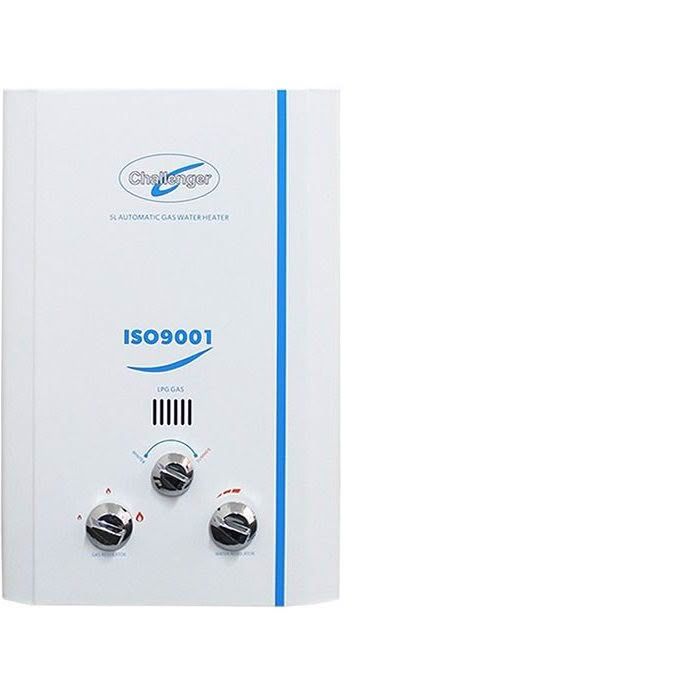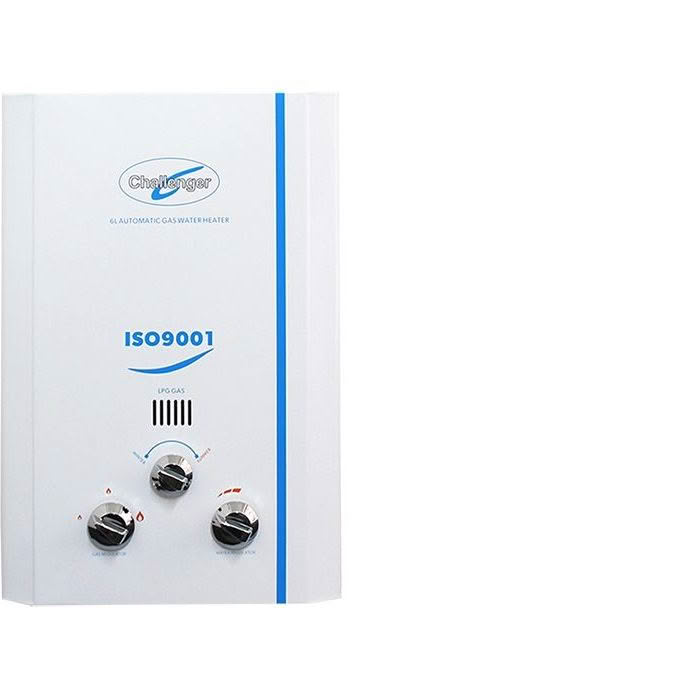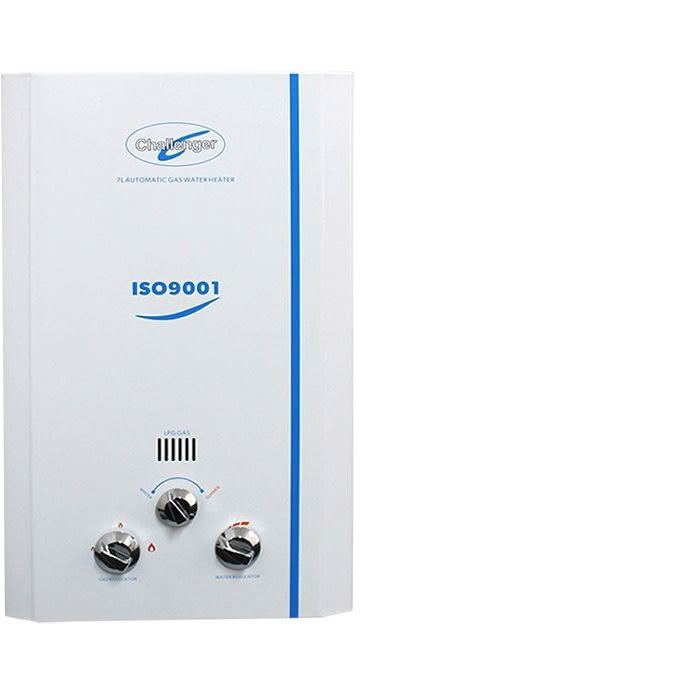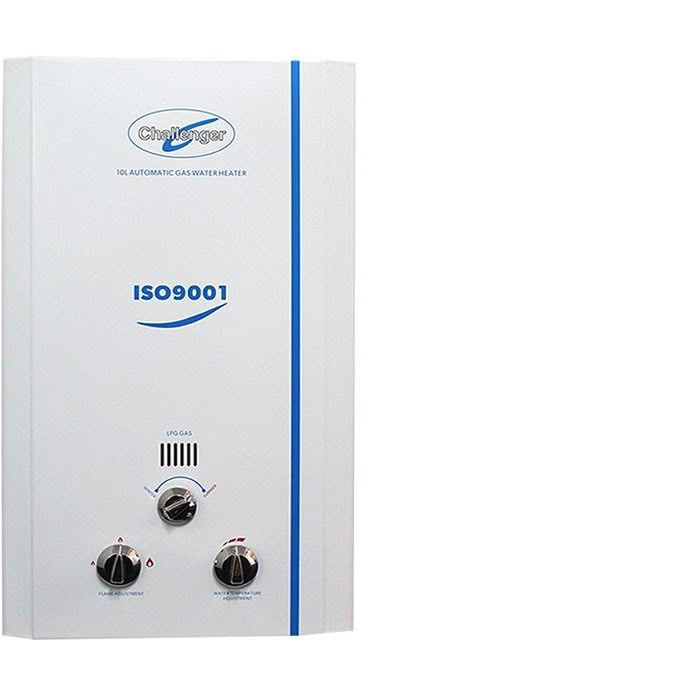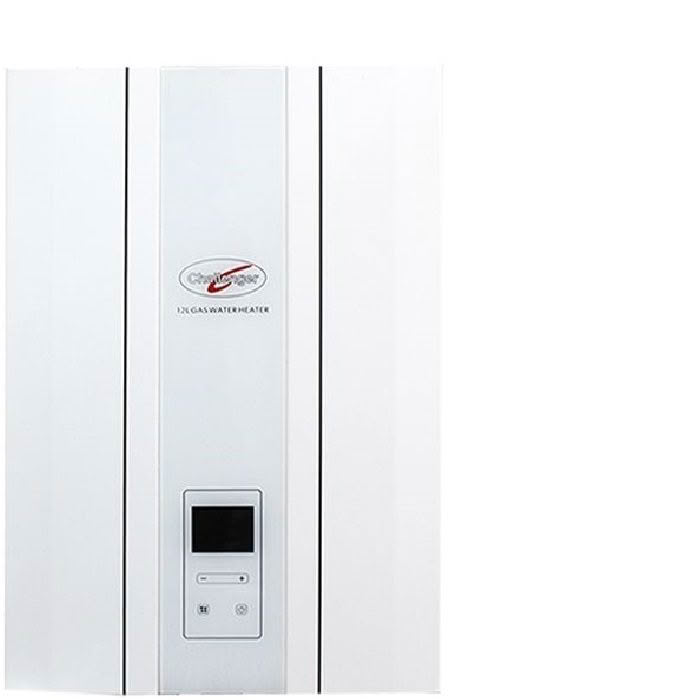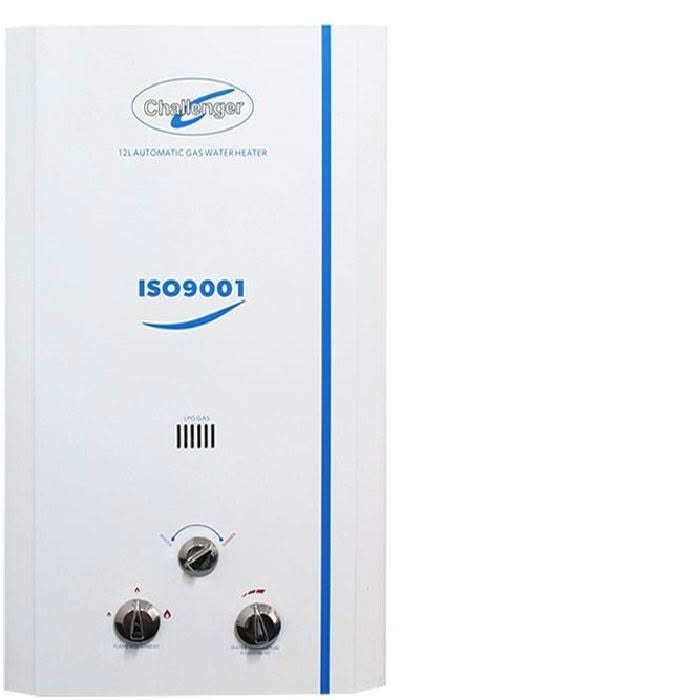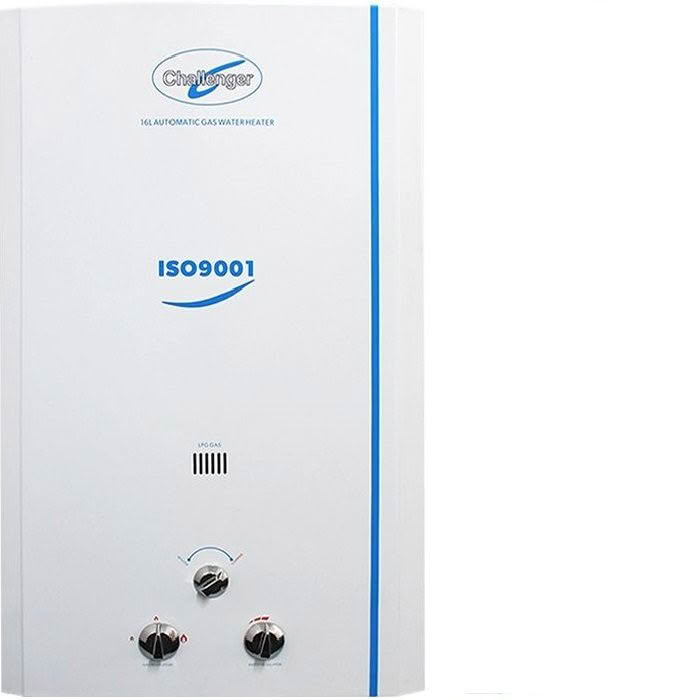

If you’re running a Challenger gas califont in a hard water area, limescale is the one issue you simply can’t ignore. Over time, mineral deposits from hard water build up inside the califont, gradually affecting performance, efficiency, and ultimately the lifespan of the unit.
This post focuses on what happens inside your califont when scale builds up—and more importantly, how to deal with it effectively.
What Hard Water Does to a Califont
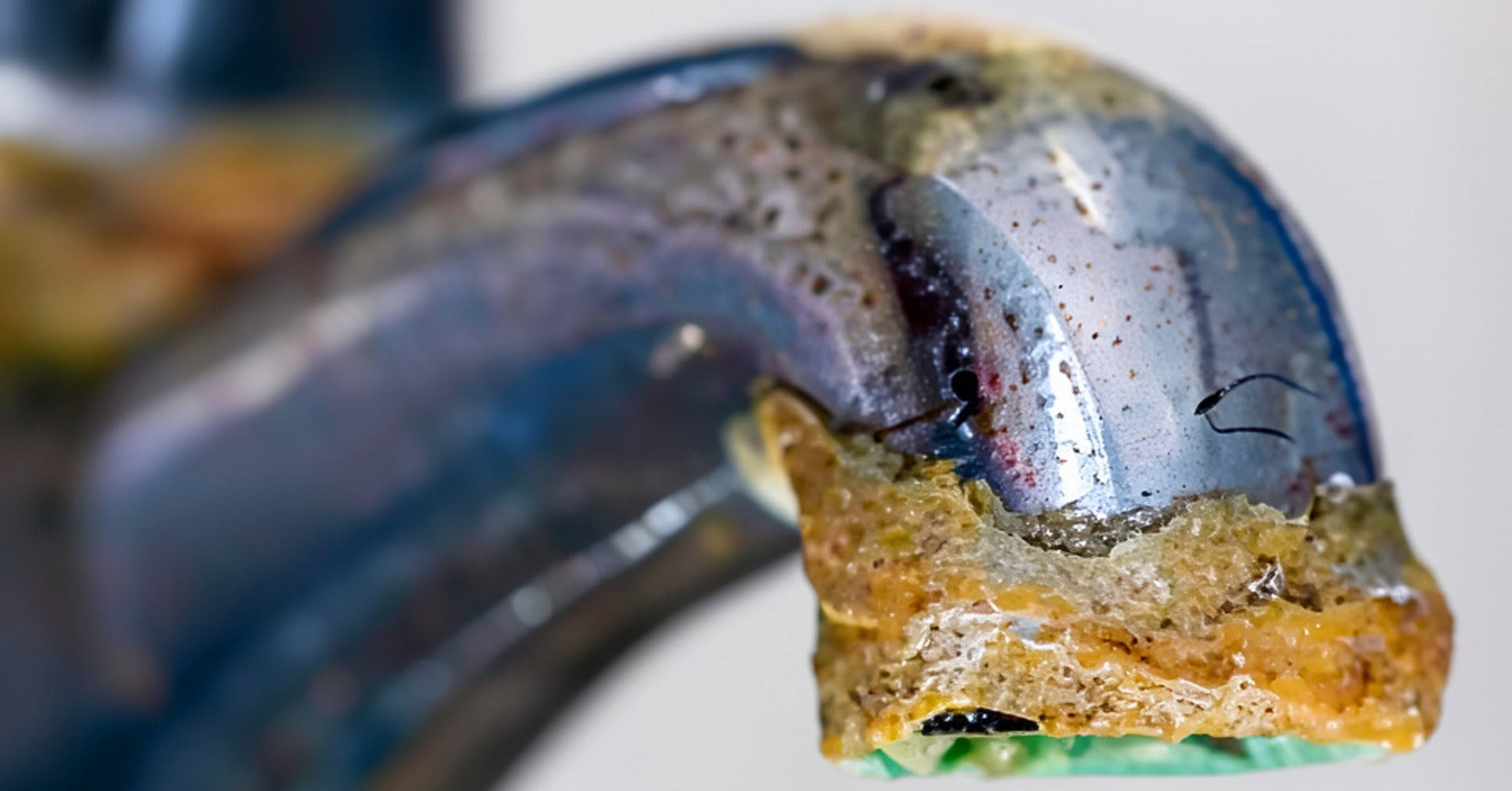
Hard water contains high levels of minerals like calcium and magnesium. When water is heated inside your califont, these minerals solidify and form limescale deposits along the internal surfaces—especially inside the heat exchanger.
At first, the effects are minor. But as the scale layer thickens, problems begin to develop.
Common symptoms of scale build-up:
-
- Reduced water flow
-
- Fluctuating or excessively hot water temperature
-
- Rumbling or banging noises (often called “kettling”)
-
- Unit not shutting off properly
Why Scale Causes Problems
1. Overheating and Hot Spots
Scale acts as an insulating layer inside the heat exchanger. Instead of heat transferring efficiently to the water, it gets trapped within the unit. This creates hot spots, which can trigger overheating protection that cut off the unit.
2. Restricted Water Flow
As scale accumulates, it narrows internal water pathways. Reduced flow means water heats up too quickly, again leading to overheating issues.
3. Noisy Operation (“Kettling”)
Those rumbling or banging sounds are caused by water boiling unevenly inside scaled sections of the heat exchanger—similar to a kettle with heavy mineral buildup.
4. Reduced Efficiency
Your califont has to work harder to heat water through a layer of scale, increasing gas consumption and wear on components.
The Solution: Regular Descaling
The single most effective way to manage hard water issues is routine descaling (flushing the heat exchanger).
Recommended descaling frequency:
-
- Every 6–12 months in hard water areas
-
- More frequently if symptoms (noise, overheating, reduced flow) appear
Important tips:
-
- Heavily scaled units may require 2–3 cleaning cycles to fully clear buildup
-
- The first flush may improve performance but not completely resolve the issue
Choosing The Right Descaler
Depending on the severity of the buildup, different descaling solutions can be used, a descaler designed for internal circulation systems works well for regular cleaning
Preventing Future Build-Up
While descaling fixes the issue, prevention helps reduce how often you need to do it.
Consider:
-
- Installing an inline water filter or scale reducer
-
- Keeping up with regular maintenance intervals
-
- Addressing early signs (noise, temperature fluctuation) before they worsen
A Quick Word of Caution
If scale buildup is left untreated, overheating can become severe. In extreme cases, the heat exchanger can fail, and repair costs may exceed the value of the unit.
When you have noticed any of the symptoms, stop using it and address the issue promptly.
Final Thoughts
Hard water is tough on califonts—but it’s manageable with the right approach. Regular descaling isn’t just maintenance; it’s essential to keeping your unit running safely and efficiently.
Stay proactive, flush your system regularly, and your Challenger califont will deliver reliable hot water for years to come.
Contact Us for for further information or choose your own Offgrid NZ Califont here.