
What Every Homeowner Needs to Know Before Installing a Continuous Flow Water Heater.
If you’ve ever stepped into a cold shower or run out of hot water mid-wash, you’ll understand the appeal of a gas califont. These compact, energy-efficient appliances deliver continuous hot water on demand—no storage tank required. But before you purchase one, there’s something critical to understand: gas califont installation in New Zealand is heavily regulated, and for very good reason.
Here is the complete guide to the legal, technical, and safety requirements for getting the job done correctly.
1. The Legal Framework: No DIY Allowed
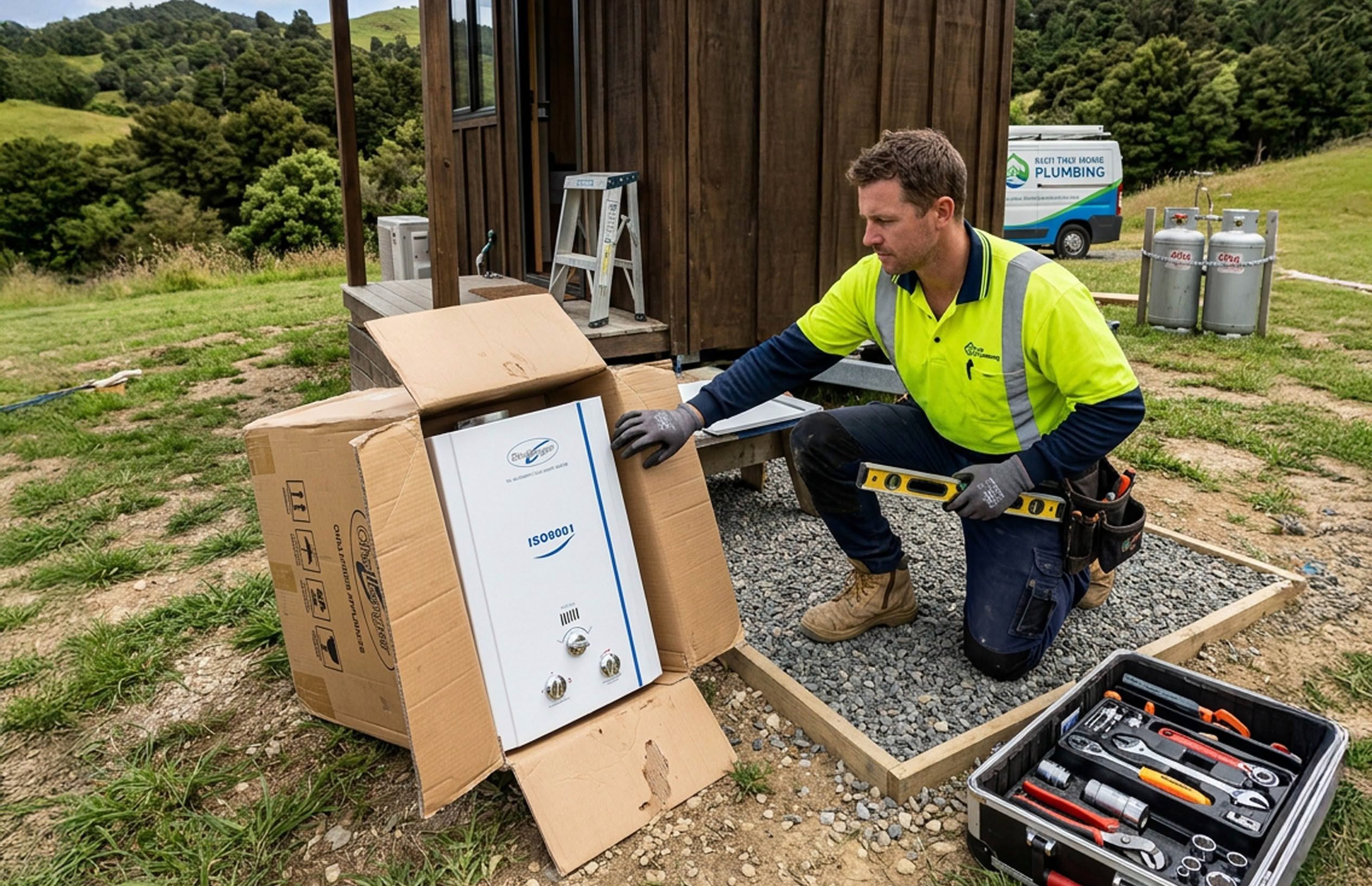
New Zealand takes gas safety seriously. Under the Plumbers, Gasfitters, and Drainlayers Act 2006, all gasfitting work must be carried out by a licensed or certifying gasfitter. Attempting a DIY installation is not only illegal—it is genuinely dangerous and will void your home insurance.
Installations must comply with:
- Gas (Safety and Measurement) Regulations 2010.
- AS/NZS 5601.1:2022: The primary industry standard governing pipe sizing, ventilation, and appliance placement.
Mandatory Paperwork:
Once the work is completed, your gasfitter is legally required to provide:
- A Certificate of Compliance (CoC): Confirms the installation work meets all required standards.
- A Gas Safety Certificate (GSC): Confirms the entire connected installation is safe to operate.
Tip: Always verify your gasfitter’s licence at the PGDB website before work begins.
2. Key Installation Requirements for Challenger Califonts
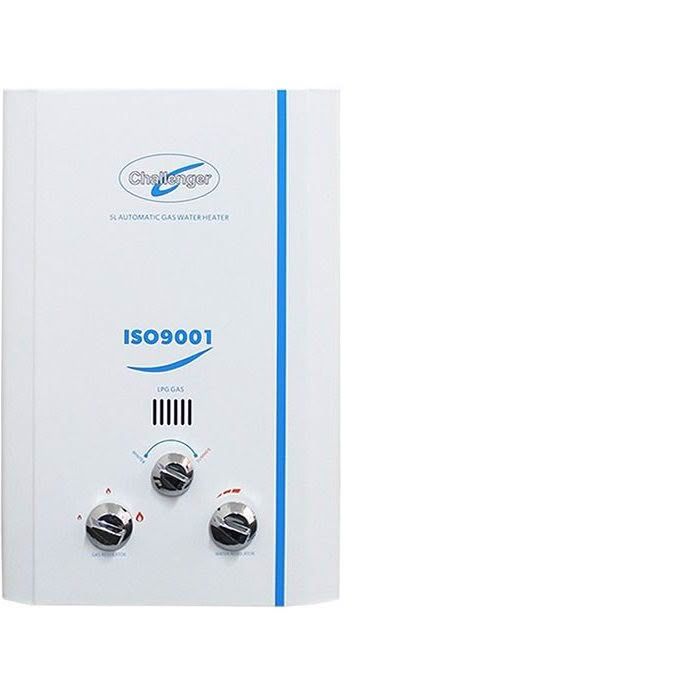
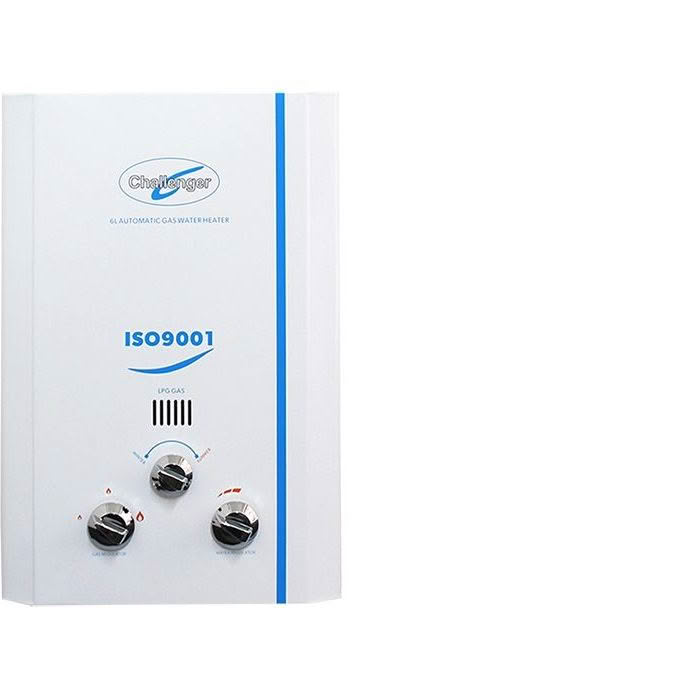
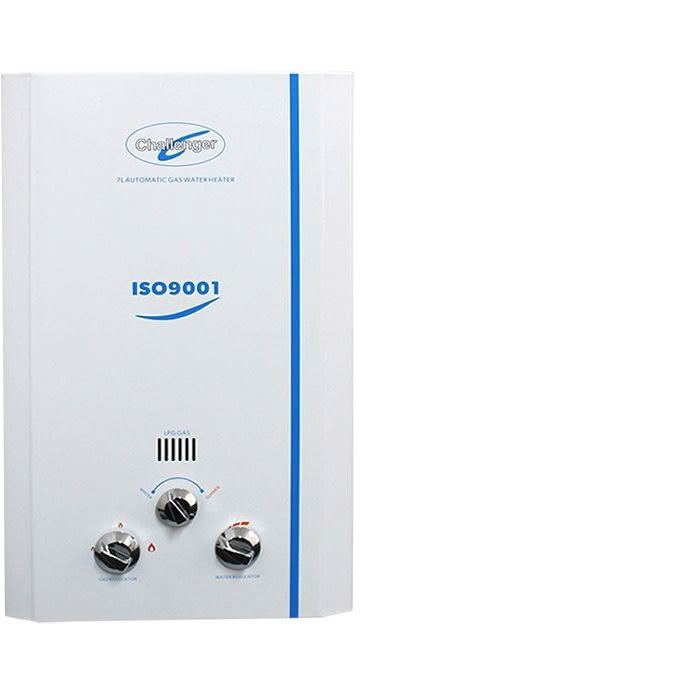
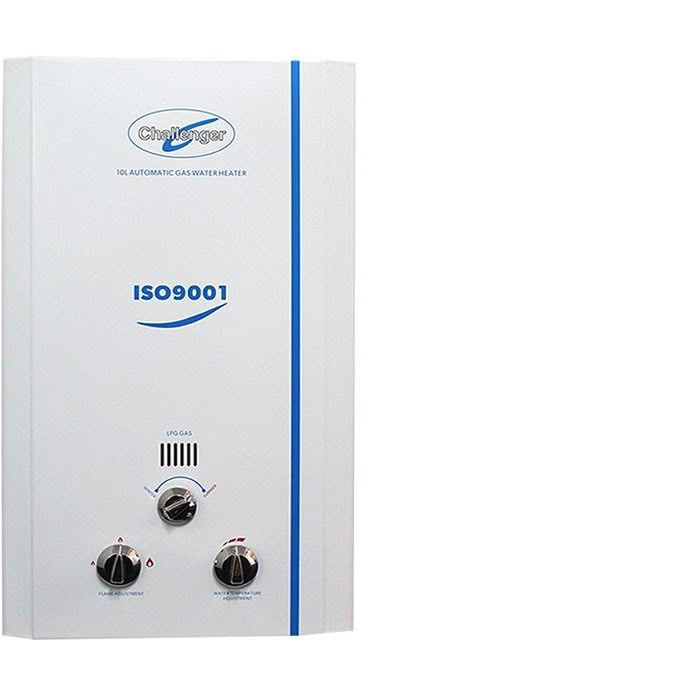
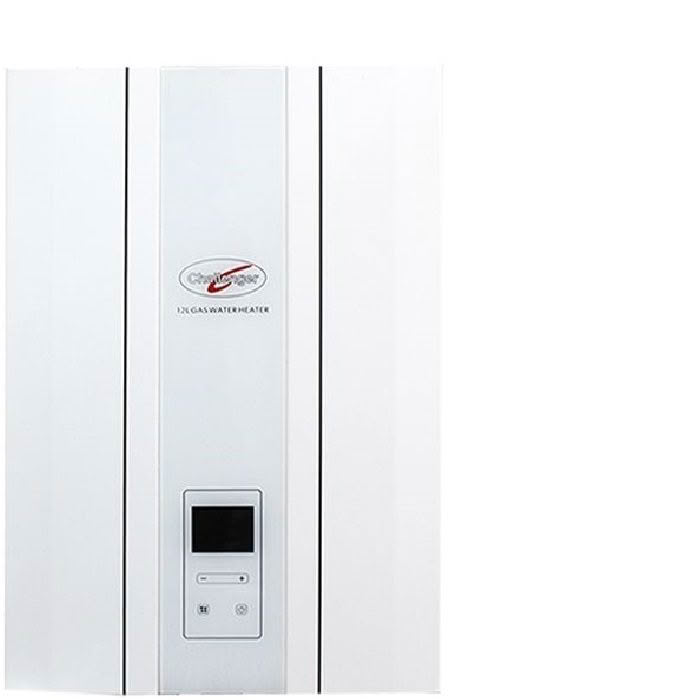
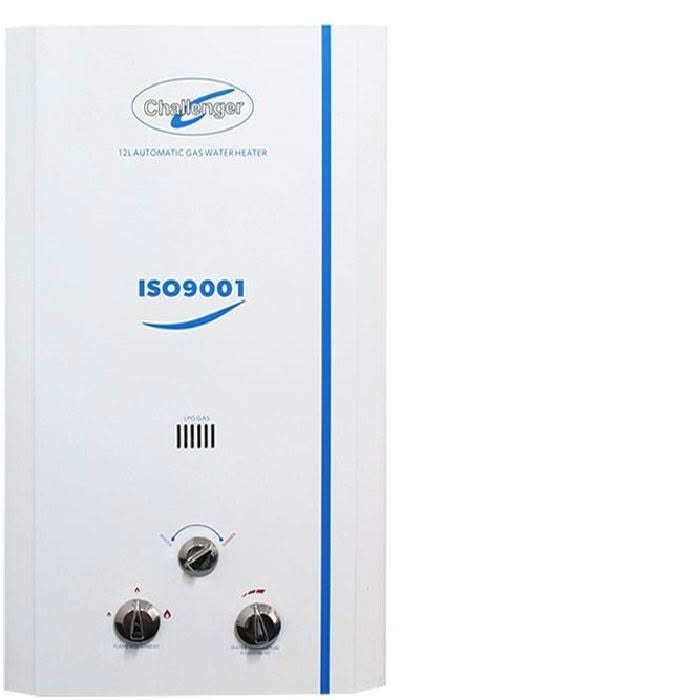
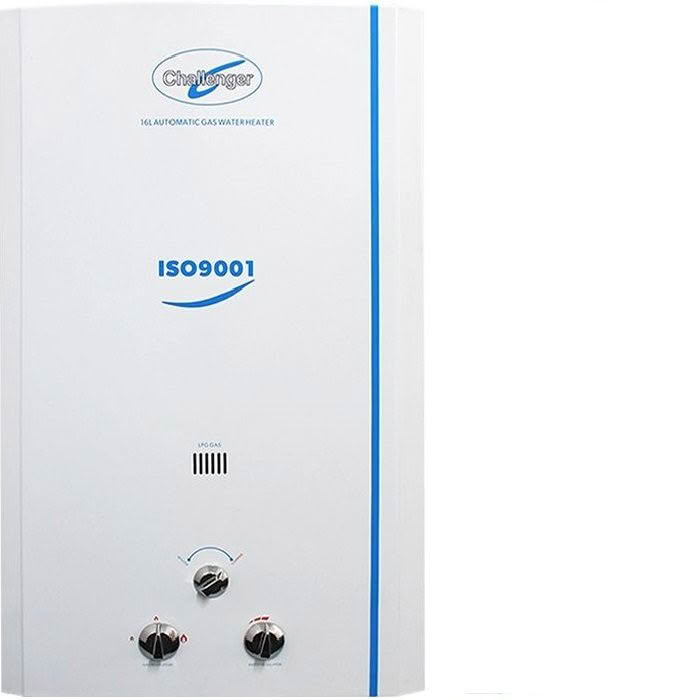
Challenger appliances are purpose-built for New Zealand conditions. According to Challenger’s installation guidelines, there are several non-negotiable requirements to ensure safe operation and maintain a valid warranty.
Placement and Mounting
- Support: The unit must be mounted on a solid vertical wall capable of supporting the appliance’s weight plus the associated pipework.
- Orientation: All gas and water connections must face downward.
- Accessibility: The unit must remain accessible for future servicing and maintenance without creating a hazard or requiring specialized equipment to reach.
Indoor vs. Outdoor Models
- Outdoor Units: These require a louvered weather cover to protect the flue from rain, wind, and debris.
- Indoor Units: These must be fitted with an approved flue kit and weather cap to safely exhaust combustion gases outside. Flueing into a roof cavity, crawl space, or enclosed porch is illegal and life-threatening.
3. Clearance Requirements (AS/NZS 5601.1)
To prevent fire hazards and ensure proper ventilation, the “flue terminal” (where the exhaust comes out) must meet strict distance requirements:
- Eaves: Maintain a minimum of 300mm between the flue terminal and any eaves or balconies.
- Openings: Keep the flue terminal away from windows, doors, and air vents. Side clearances typically range from 1,000mm to 1,500mm, depending on the unit’s MJ/hr rating.
- Combustibles: Ensure the flue is clear of all combustible materials, including outdoor furniture, plastic guttering, and overhanging vegetation.
4. Gas Type and Water Pressure Specifications
Matching the appliance to your home’s infrastructure is vital. Getting these specifications wrong can lead to poor performance or permanent damage to the unit.
Gas Type & Pressure
- LPG (Bottled Gas): Operates at a pressure of 2.75 kPa.
- Natural Gas (Mains Gas): Operates at a pressure of 1.1 kPa.
- Note: LPG and Natural Gas units are different. You cannot run an LPG califont on Natural Gas (or vice versa) without a professional conversion kit and recalibration.
Water Pressure
- Small units (up to 10L): Generally require 20–40 psi.
- Large units (12L–16L+): Recommended up to 70 psi.
- If your mains pressure is too high, your gasfitter must install a Pressure Limiting Valve (PLV) to prevent the heat exchanger from bursting.
5. Commissioning and Warranty Protection
A “finished” installation isn’t just about bolting the unit to the wall. Your gasfitter must commission the unit, which involves:
- Purging Gas Lines: Removing air to ensure a smooth first ignition.
- Flushing Water Lines: This is the most critical step for Challenger units. You must flush all “swarf” (metal filings) and debris from the pipes before connecting them to the califont. Damage caused by swarf or debris is not covered under warranty.
6. Ongoing Maintenance and Frost Protection
New Zealand’s climate requires specific care for gas appliances:
- Frost Protection: In areas prone to freezing, water left inside the unit can freeze and rupture the copper heat exchanger. If the unit is not in use during winter, it should be drained using the built-in frost drain plug.
- Regular Servicing: It is recommended to have your califont serviced every two years to check for carbon buildup, ensure the “Flame Failure” safety device is working, and verify gas tightness.
Summary Checklist for Homeowners
- Is my gasfitter licensed? (Check the PGDB register).
- Is the unit the correct gas type (LPG vs. Natural Gas)?
- Does the mounting location meet the 300mm–1500mm clearance rules?
- Did the installer flush the pipes to remove swarf?
- Have I received my Certificate of Compliance and Gas Safety Certificate?
By following these requirements, you ensure your home stays compliant with NZ law, your warranty remains intact, and most importantly, your family has a safe, reliable supply of hot water.
Contact Us for for further information or choose your own offgrid instant hot water gas califont here.