
There’s something deeply satisfying about cooking a proper meal when you’re miles from the nearest power line. No induction hob humming away on someone else’s electricity. No smart appliance needing a firmware update. Just you, a flame, and whatever’s in the pot.
That’s the quiet appeal of LPG gas cooking, and for anyone living off-grid in a tiny home, campervan, or remote Kiwi bach, it’s less of a lifestyle choice and more of a practical no-brainer.
LPG Gas Off-Grid Cooking Appliances
LPG is the same fuel sitting in your gas bottle right now. Off-grid cooking appliances, whether that’s a gas oven NZ buyers rely on year-round or a compact campervan hob are specifically calibrated, or “jetted,” to burn bottled gas efficiently. That distinction from reticulated natural gas (the kind piped into some city homes) matters more than people realise, and it’s worth confirming before you buy anything.
Choosing A Freestanding Gas Oven or a Standalone Hob
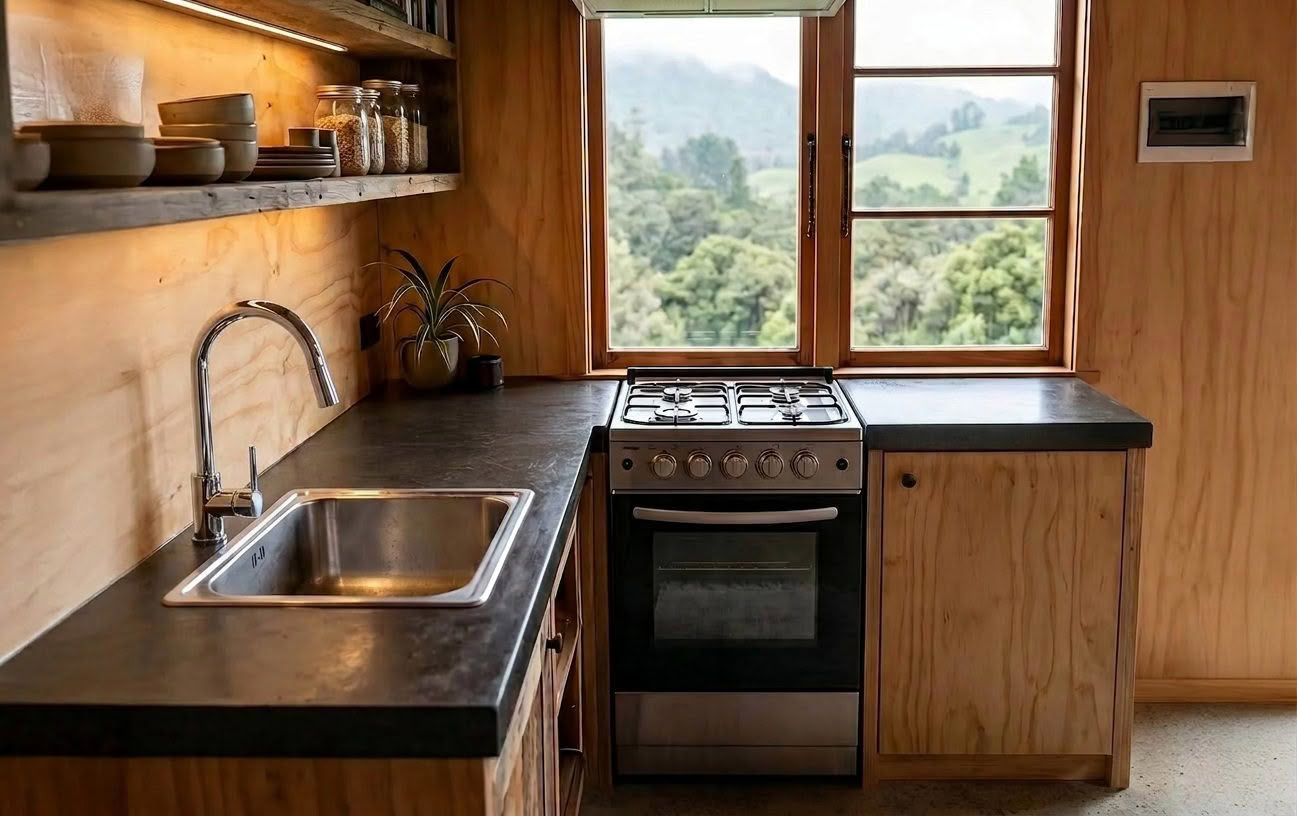
Choosing between a freestanding gas oven and a standalone hob comes down to two things: how you cook and how much space you’re working with. If you want the complete kitchen experience, roasting a chicken, baking bread, doing things properly, a freestanding gas stove is your answer. There are compact and portable options for tighter builds that don’t sacrifice too much function, and fan-forced gas ovens are worth a look if you want even heat distribution without hotspots. If baking isn’t part of your off-grid routine, a built-in gas hob gives you everything you actually need on a smaller footprint. Some even combine gas and electric burners on the same surface, a smart call if your setup has some solar grunt behind it.
One feature that separates a quality LPG cooking appliance from a risky one is the Flame Failure Safety Device, or FFSD. It’s simple in concept, if the flame dies unexpectedly, the gas cuts off automatically. In an enclosed space like a caravan, motorhome, or tiny home, that’s not a bonus feature. It’s a legal requirement in New Zealand, and any gas cooker NZ buyers should consider will have it built in across every burner., with easily accessible filters and durable brass fittings that stand the test of time in harsh rural environments.
Frequently Asked Questions (FAQs)
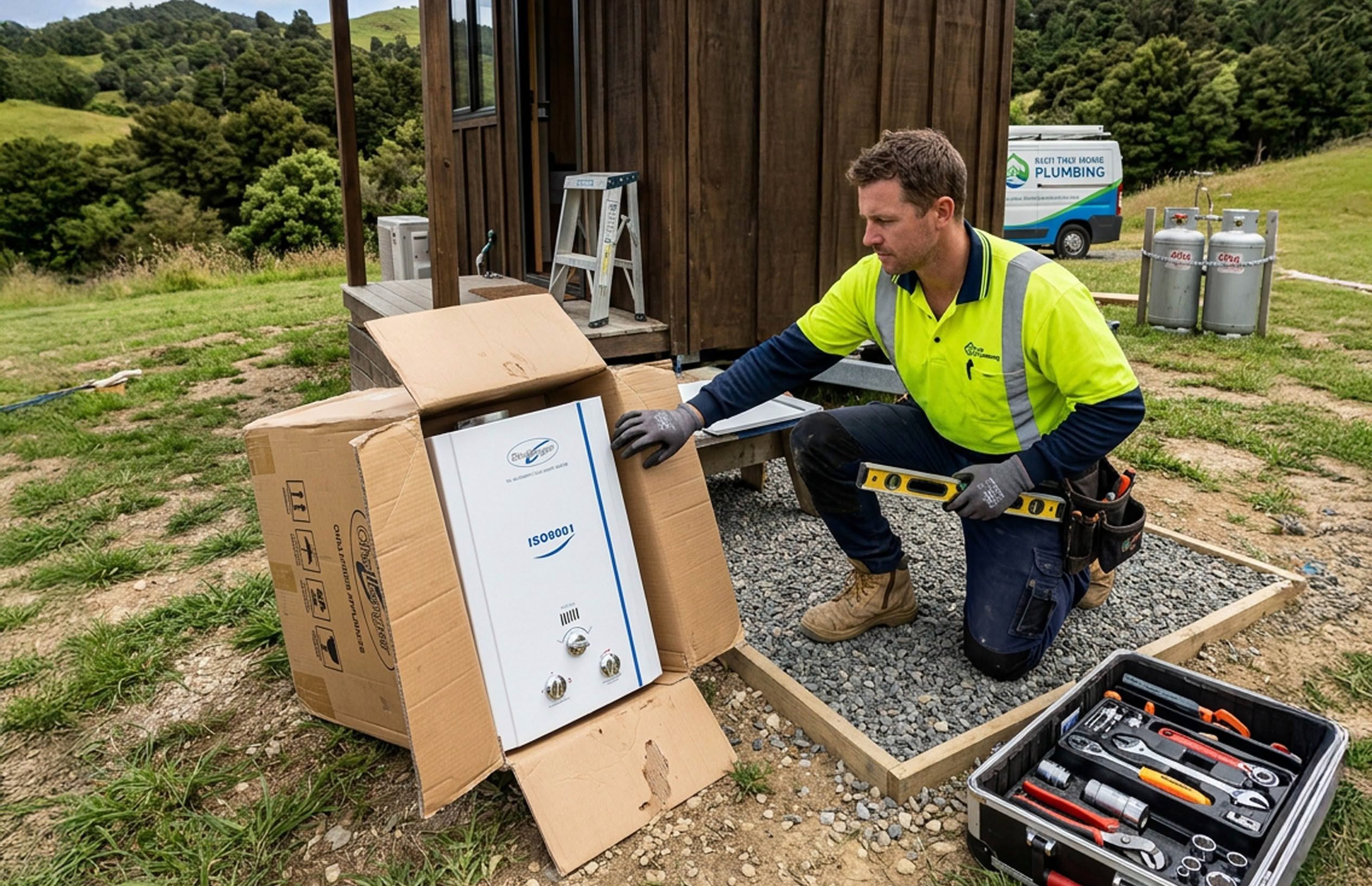
Do I need a certified gasfitter to install a gas oven or hob? Yes, and there’s no way around it. New Zealand law requires all permanent gas appliance installations, in homes, baches, and RVs to be completed by a certified gasfitter NZ-wide, meeting AS/NZS 5601 safety standards. It protects your warranty, satisfies your insurer, and frankly, it protects you. Portable camping stoves are the one exception, but for any built-in unit, bring in a professional.
Will these appliances work with a standard LPG bottle? Yes. The entire range of off-grid cooking appliances is jetted for bottled gas, whether that’s a 9kg gas bottle in a campervan or a larger 45kg cylinder supplying a bach for the season. If you ever need to connect to a natural gas supply, the burner jetting would need to change first, so check before assuming.
What about spare parts and support? This is where buying local earns its keep. A quality NZ-based supplier of LPG cooking appliances will stock the parts that actually fail, knobs, thermocouples, burners right here in the country. No waiting weeks for a replacement to arrive from overseas while your caravan stove sits out of action. When something needs fixing, you want help that’s a phone call away, not a timezone away.
Contact Us for for further information or choose your own Offgrid cooking appliance here.