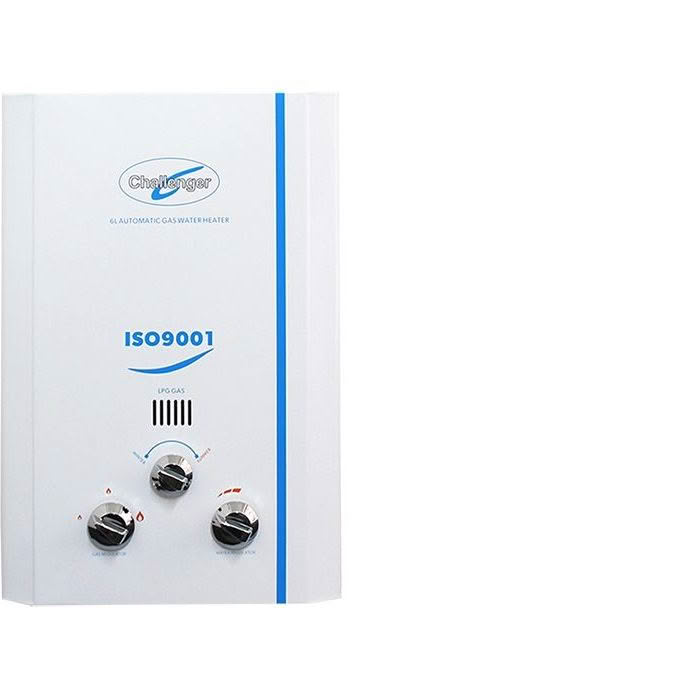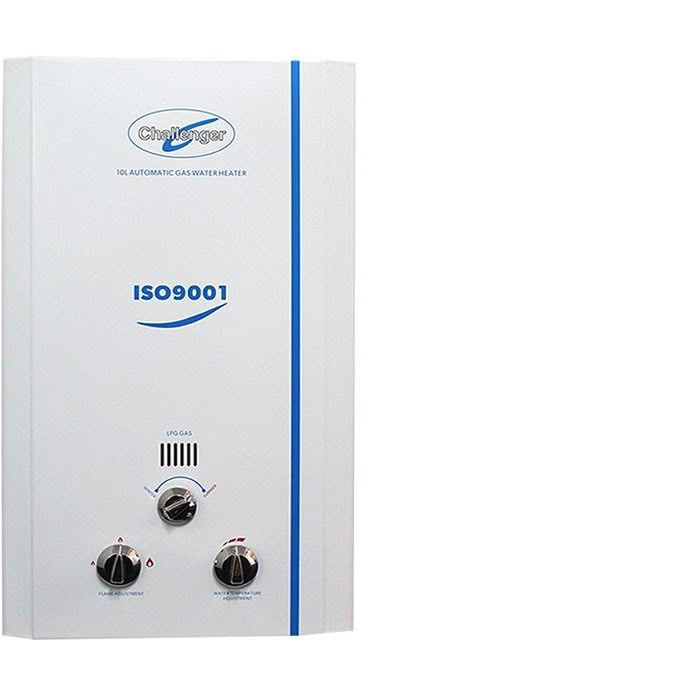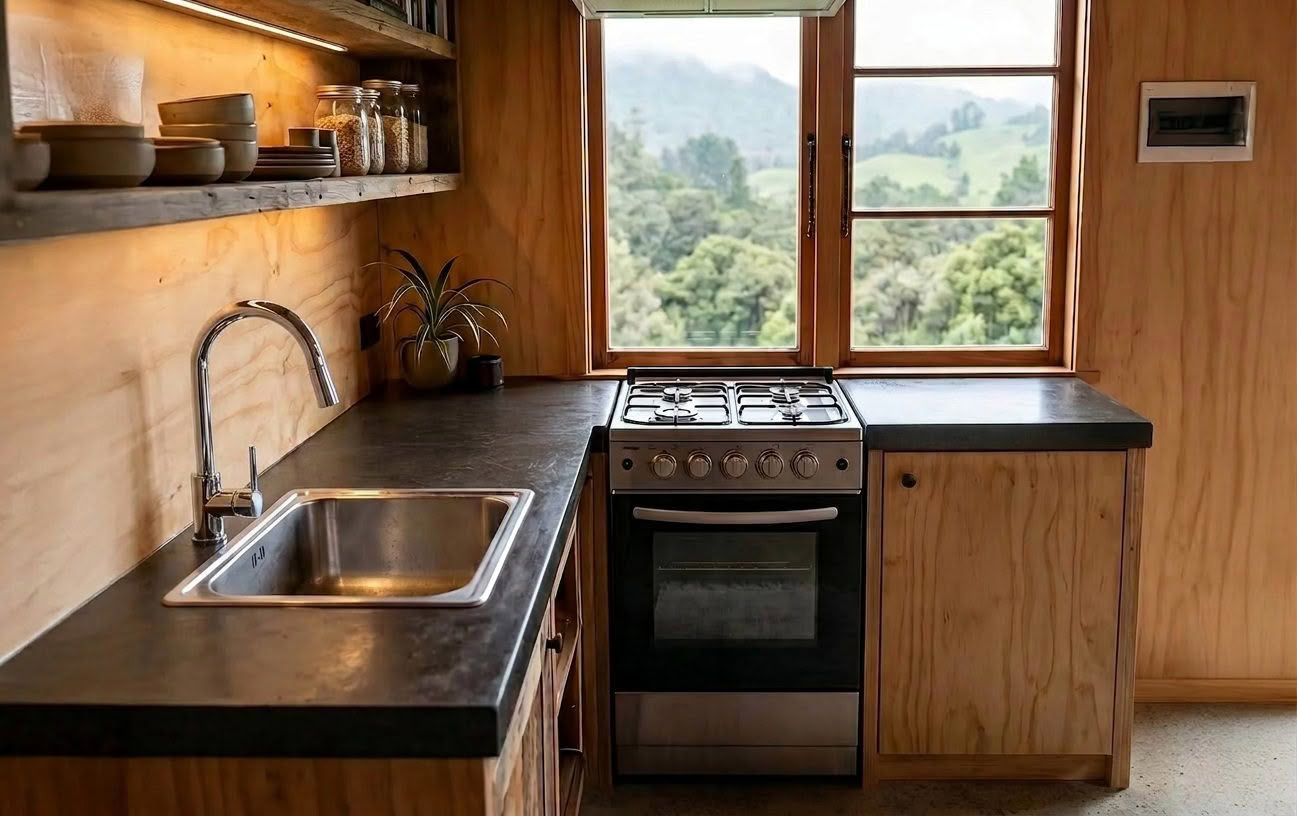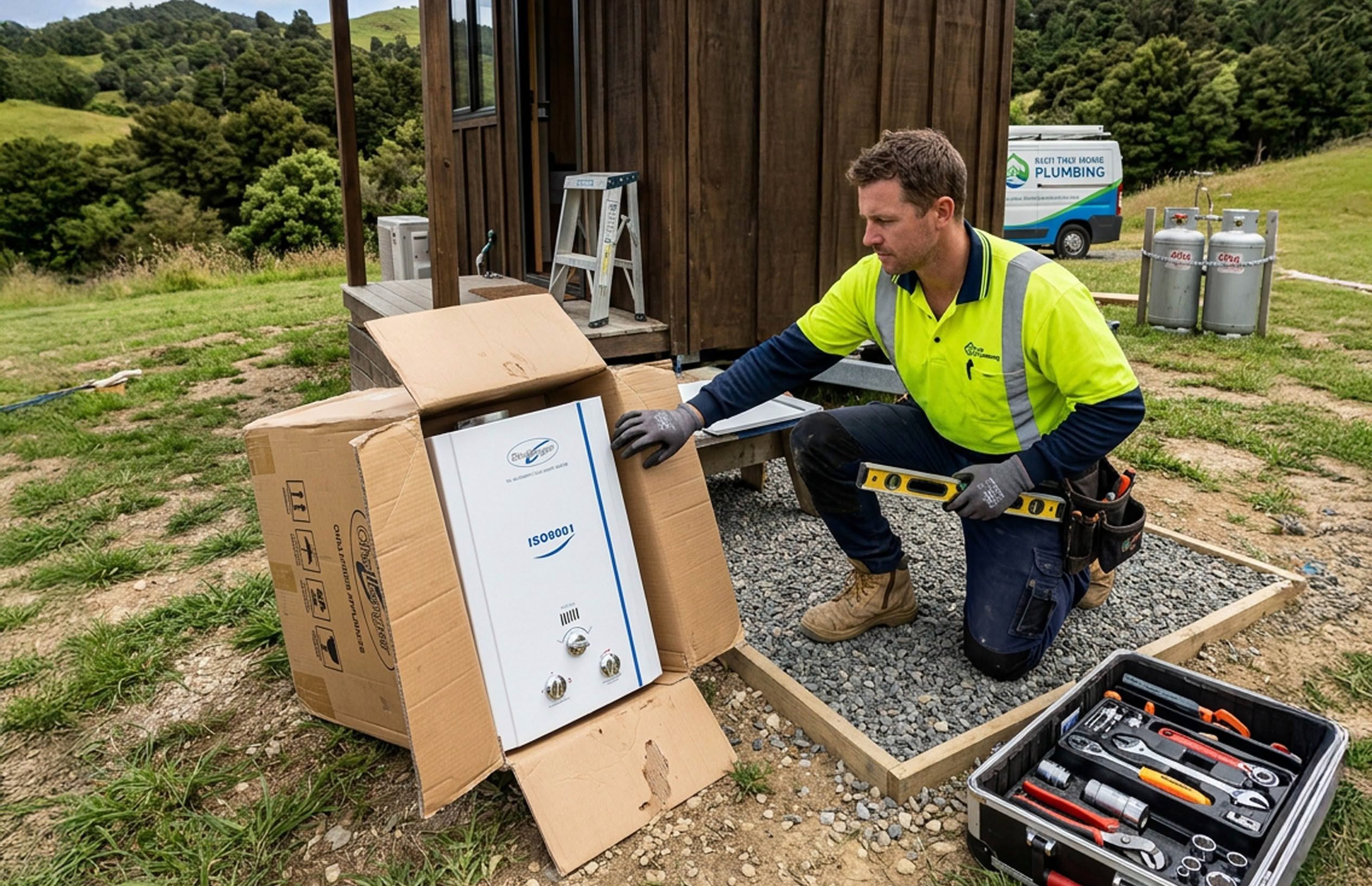

Living off-grid in a tiny home or campervan is one of New Zealand’s most exciting lifestyle trends. But while you’re busy planning your solar setup and composting toilet, there’s one safety element that simply cannot be overlooked: gas ventilation. If you’re running LPG appliances in a small space, proper venting isn’t optional, it’s a legal requirement under AS/NZS 5601.2, the standard that governs gas installations in New Zealand caravans, campervans, and tiny homes.
Why Gas Ventilation Is Critical in Small Spaces
In a conventional house, small amounts of combustion by-products are easily diluted across a large volume of air. In a tiny home or RV, that luxury disappears. LPG appliances — whether a two-burner hob, a hot water heater, or a gas oven, consume oxygen and release combustion by-products into your living space every time they run. Those by-products include water vapour, carbon dioxide, and the silent killer: carbon monoxide (CO).
Because tiny homes and campervans are built to be highly sealed (essential for insulation and weather-tightness in the New Zealand climate), these gases have nowhere to go without a dedicated ventilation system. Oxygen levels can drop faster than you’d expect, and carbon monoxide poisoning can occur before you even notice symptoms. This is why the NZ standard is so specific about what’s required.
What Does AS/NZS 5601.2 Actually Require?
Under the standard, fixed permanent ventilation is mandatory — meaning openings that cannot be accidentally closed by an occupant. A window you leave ajar doesn’t count. Here’s what you need:
High and Low Vents
Your ventilation system must include both a high vent (near the ceiling) and a low vent (near the floor). This pairing creates a natural convective airflow: fresh air enters low, stale combustion air exits high. Both vents must be unobstructed and positioned to avoid “dead air” pockets where gases can accumulate.
Correctly Sized Free Area
The size of your vents isn’t guesswork. The standard requires that the free area (the actual open space allowing airflow) is calculated based on the total megajoule (MJ) rating of all gas appliances installed in the vehicle or dwelling. A single hob and a continuous-flow hot water system will have a combined MJ rating that directly determines the minimum vent size you need.
Sleeping Area Provisions
If your tiny home has a loft, mezzanine, or enclosed bedroom, as most do, additional ventilation rules apply. The concern is straightforward: while you sleep, you can’t respond to rising CO levels. The standard mandates adequate air turnover in sleeping zones to protect occupants overnight.
The Role of a Certifying Gasfitter
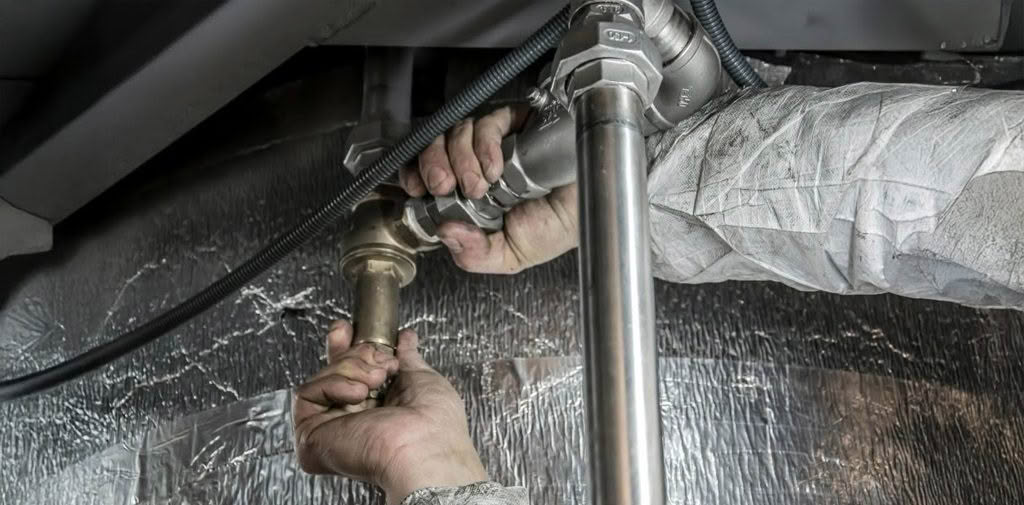
In New Zealand, all fixed gas installations must be carried out by a Certifying Gasfitter. This isn’t bureaucratic red tape — it’s a critical safety checkpoint. A qualified gasfitter will:
- Calculate the correct vent sizes based on your appliance load
- Position vents to eliminate dead air zones
- Inspect that all vents are unobstructed and correctly installed
- Issue the compliance certificate required by NZ law
Attempting a DIY gas installation, or using an uncertified tradesperson, is illegal and could void your insurance, compromise your WOF, and most importantly, put lives at risk.
Common Ventilation Mistakes to Avoid
- Using a window as a vent: Windows don’t meet the standard for permanent ventilation
Blocking vents for warmth: Even in winter, vents must remain fully open
Forgetting the loft: Many tiny home builders overlook sleeping area provisions
Undersizing vents: Always calculate based on total appliance MJ load, not guesswork - Blocking vents for warmth: Even in winter, vents must remain fully open
- Forgetting the loft: Many tiny home builders overlook sleeping area provisions
- Undersizing vents: Always calculate based on total appliance MJ load, not guesswork
The Bottom Line
Whether you’re building a bespoke tiny home or converting a van for life on the road, gas ventilation is one area where cutting corners puts lives on the line. Engage a Certifying Gasfitter early in your build process, ensure your design includes both high and low permanent vents, and sleep soundly knowing your space is safe and compliant.
For NZ-certified gas appliances designed with off-grid living in mind, explore the full range at Challenger Appliances.
Always consult a licensed Certifying Gasfitter for gas installation advice specific to your build.